
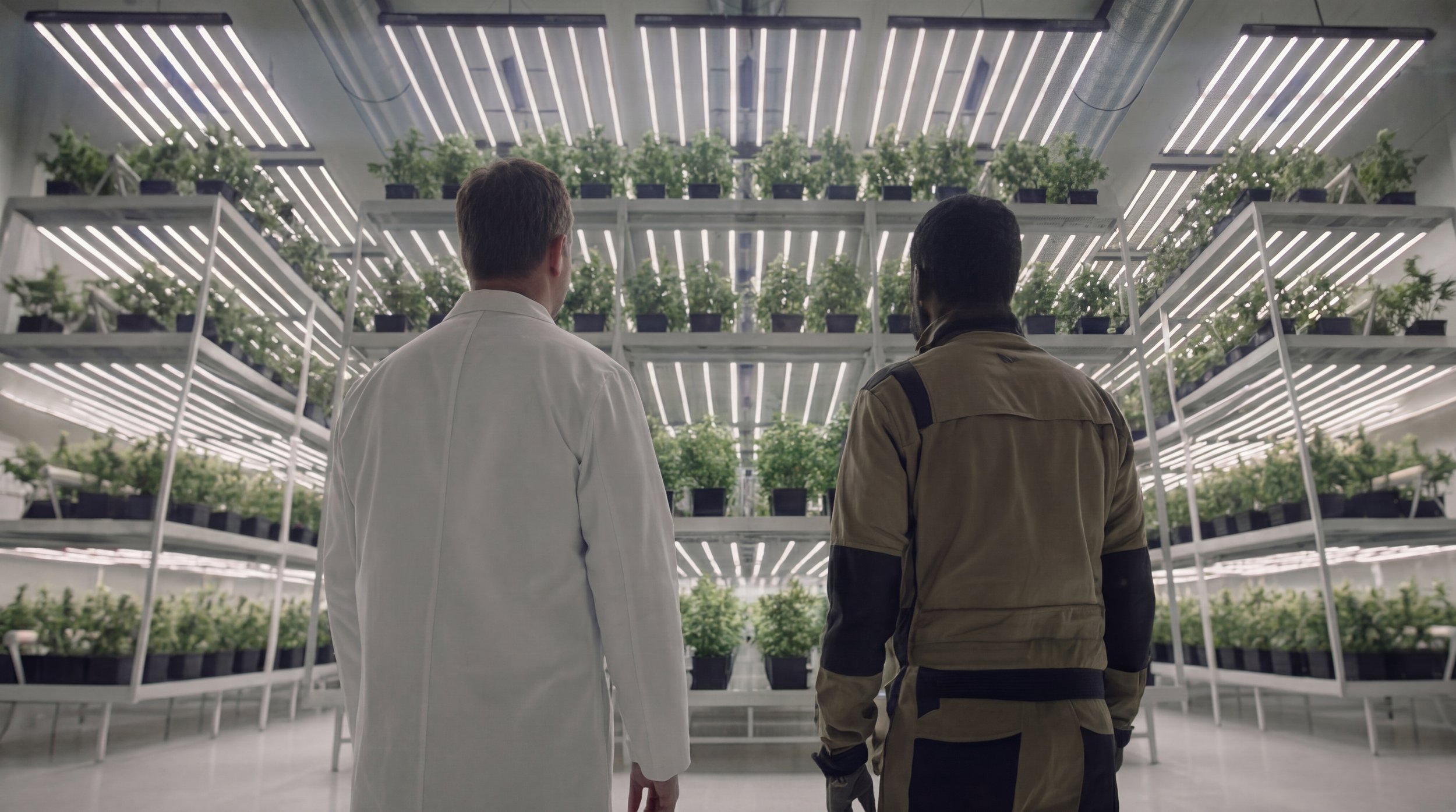
Light, Now On
The Record
What the 2025 revision of the EMA GACP guideline means for indoor medicinal cannabis cultivation, and for the equipment that grows it.
White Paper · Lumatek Professional · The Science of Light
The rules for growing medicinal cannabis in Europe changed in 2025.
For the first time, the light a crop receives is not only an agronomic decision.
It is a documented, auditable process parameter.
A cultivation
guideline built for
pharmaceutical rigour
01 · The standard has moved
Good Agricultural and Collection Practice, GACP, governs how a plant is cultivated before it enters the pharmaceutical supply chain. In 2025 the European Medicines Agency adopted a revised guideline, effective from August, the first substantial revision since 2006.
The change that matters most for indoor growers is a new annex that addresses controlled-environment cultivation directly, for the first time. It expects an indoor facility to treat its growing environment with the same discipline applied to any pharmaceutical process: identify the parameters that are critical to product quality, define written acceptance criteria for each, monitor them, and keep the records that prove it.

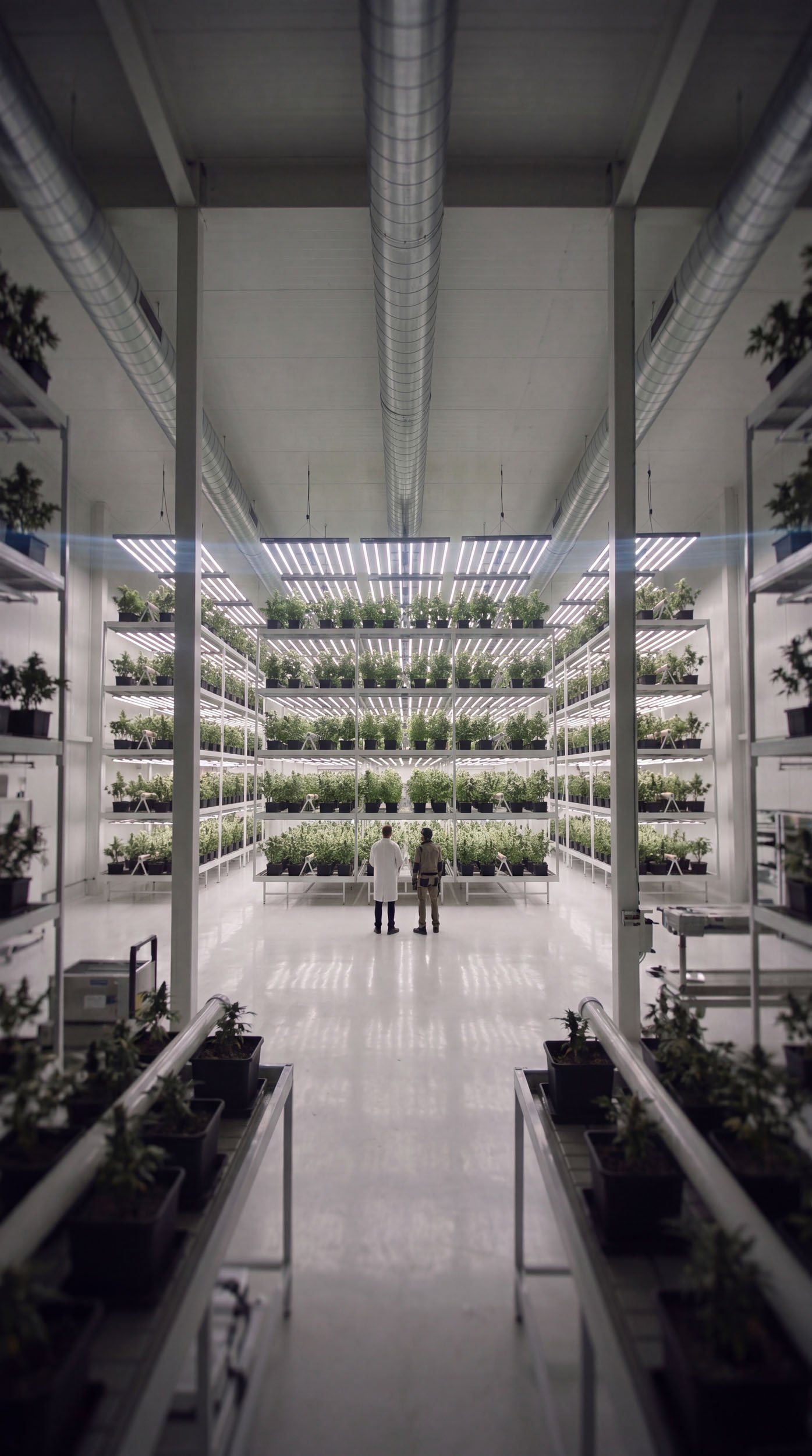
Licensed indoor cultivation · controlled environment
02 · Why light is a critical parameter
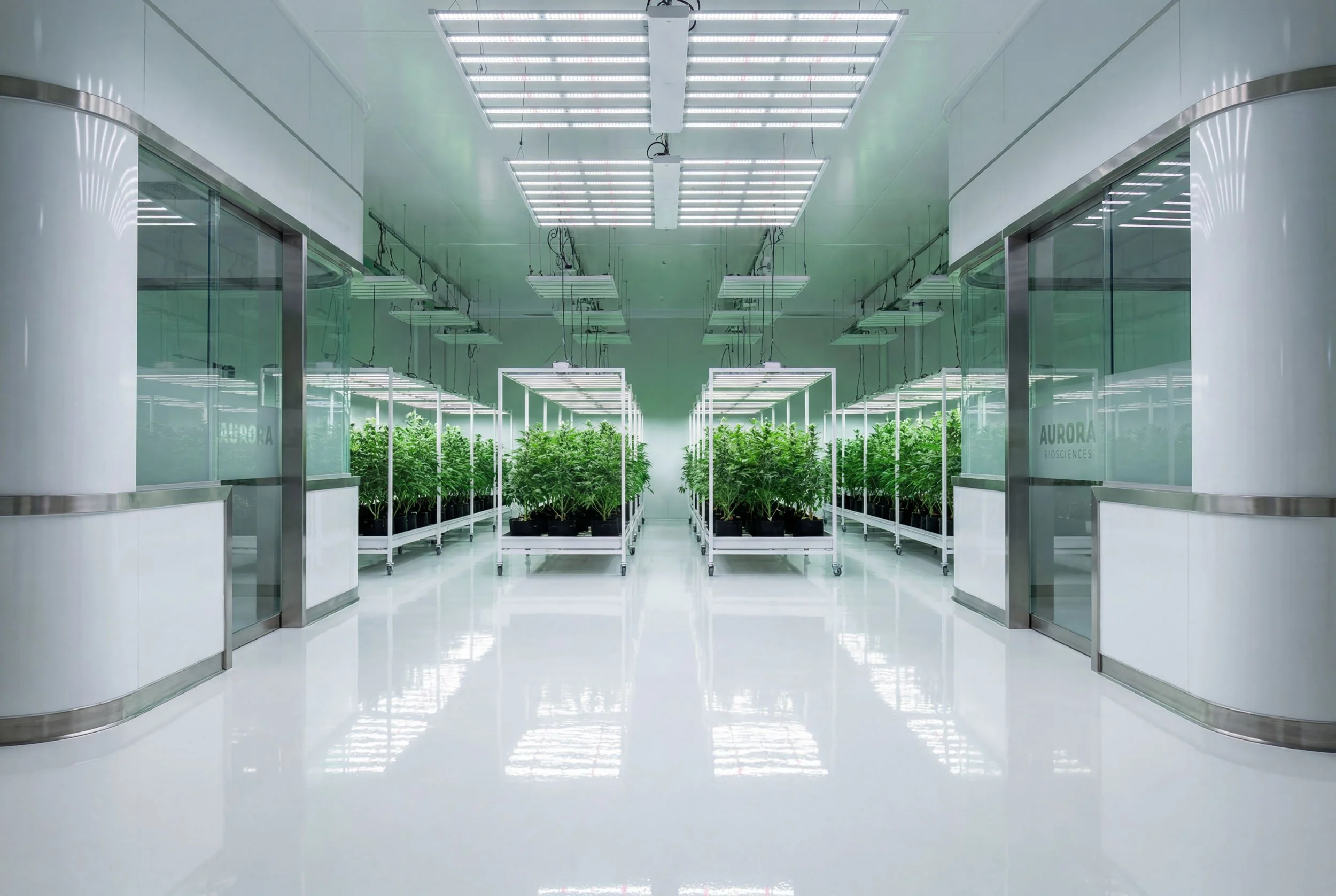
The canopy environment · top lighting governs the wholeThe canopy environment
sets the medicine
Photoperiod, intensity and spectrum are not background conditions. They drive plant development and, decisively, the expression of cannabinoids and terpenes. Because those compounds are the active constituents of the medicine, the light that shapes them directly affects a critical quality attribute of the final product.
Light is a process parameter a facility must now
identify, define acceptance criteria for, and control.
The guideline does not hand growers a fixed label. It requires each facility to determine its own critical parameters.
Top lighting carries the greatest weight in this. It is the primary cultivation environment, the light that governs the canopy as a whole, and therefore the first system a facility must be able to specify and defend. Supplementary and inter-canopy fixtures follow, but the top light is where the standard bites first.
03 · What qualification actually requires
Performance is no longer enough.
It has to be documentable.
A fixture that grows a good crop but cannot be described on paper now presents a problem.
The annex sets four practical expectations for the lighting system.
01
Identified
Light is formally documented as a controlled parameter, alongside climate, humidity and ventilation.
02
Acceptance criteria
A defined PPFD range, a photoperiod schedule and a spectrum specification, in writing.
03
Monitored daily
Conditions monitored, recorded digitally, and the records retained for audit.
04
Equipment qualified
A manufacturer technical file that supports installation and operational qualification. This is where facilities are exposed.
A fixture bought as a commodity, without a technical file, a stated tolerance, or a manufacturer that can answer a supplier audit, cannot be qualified after the fact.
The documentation cannot be reconstructed once the purchase is made.
A Qualified Person cannot certify what cannot be documented.
In a pharmaceutical setting, undocumented is unqualified.

04 · The questions to ask
What your documentation
has to survive
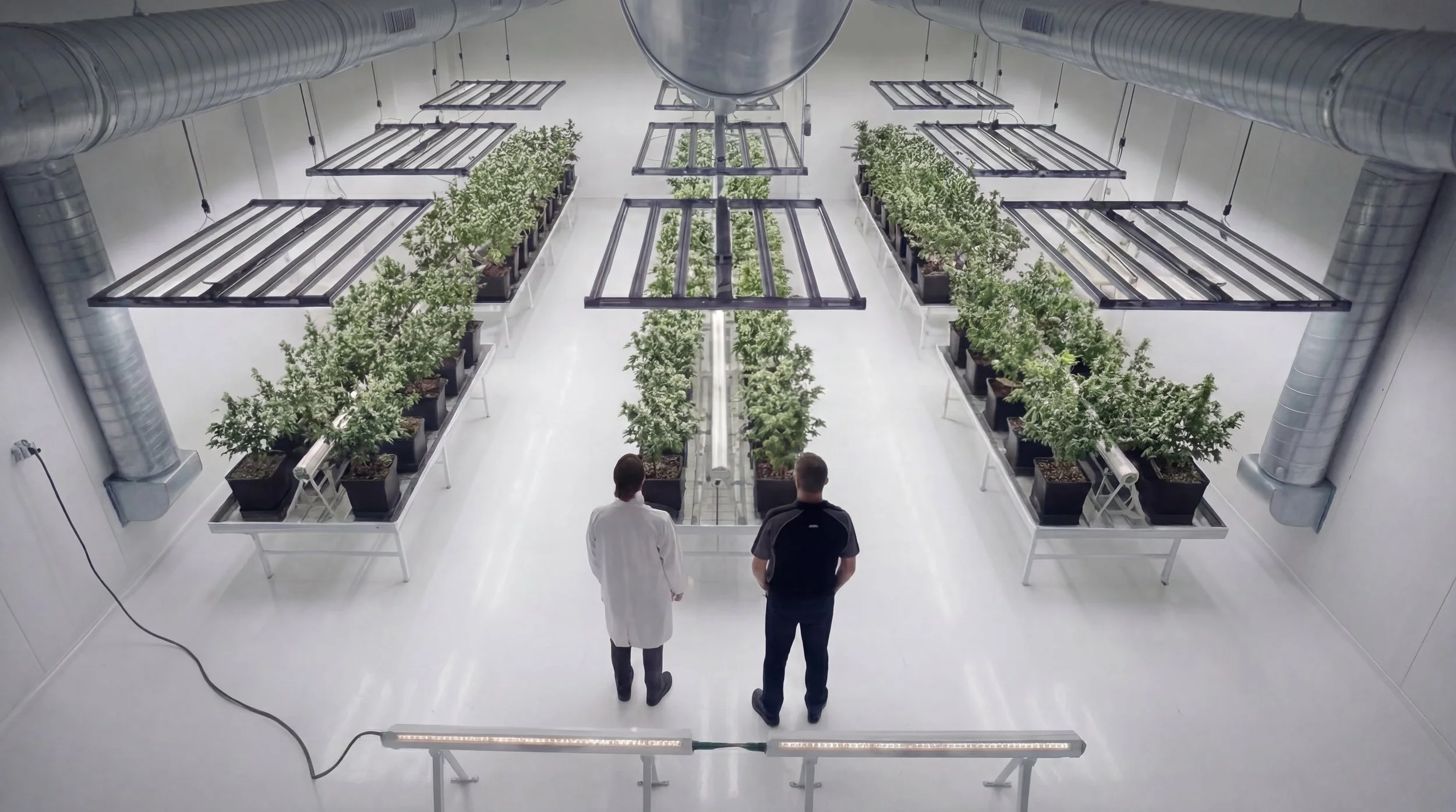
A GACP farm is not obligated to employ a Qualified Person. That role sits further down the supply chain, at the manufacturer who takes your material into the pharmaceutical process. Their primary tool is the evidence chain rather than a site visit: the GACP certificate, audit reports, supply agreements and monitoring records. They release each batch on that basis, and if the documentation behind a farm is weak or incomplete, they can refuse the material regardless of which certificates exist.
Supplier qualification checklist
Lighting · Six questions
- Can you provide a technical file for the fixture that supports installation and operational qualification?
- Do you publish a PPFD specification with tolerances and calibration data?
- Is the spectrum documented and consistent from batch to batch?
- Is there a named European legal entity that can respond to a supplier audit?
- Is there CE certification and a documentation history behind the product?
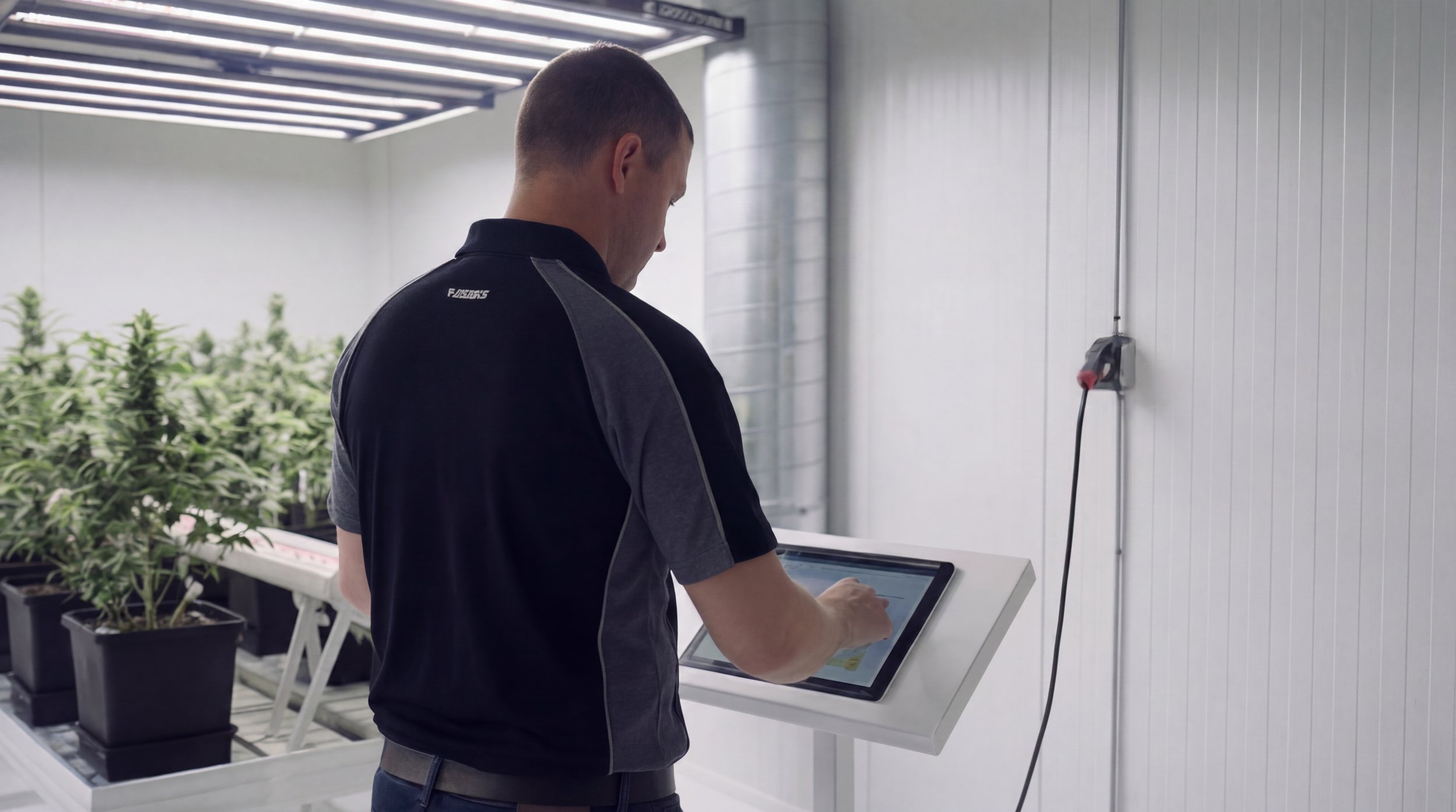
- Can the fixture's operating conditions be monitored and logged to support daily records?
05 · Where Lumatek stands
Where
Lumatek stands
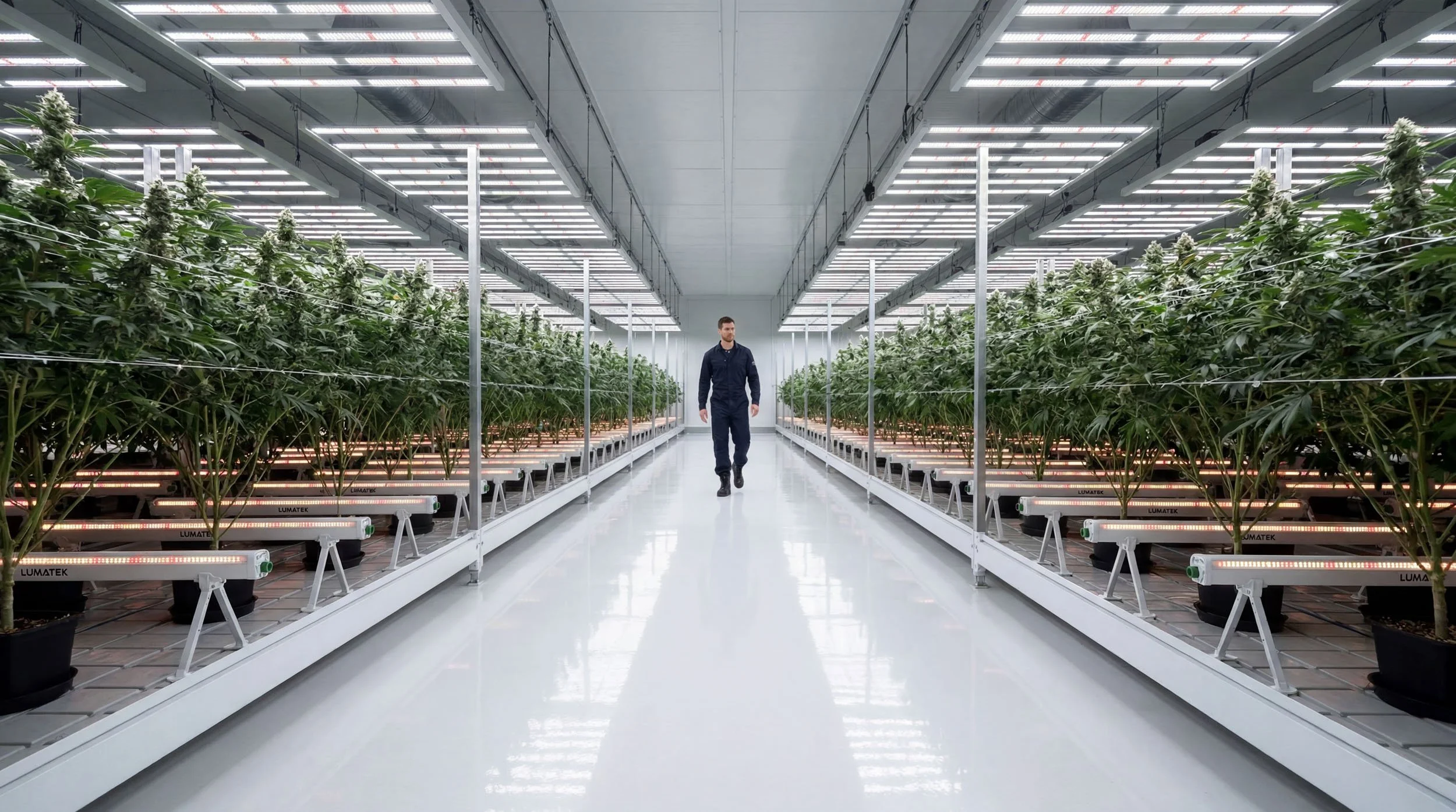
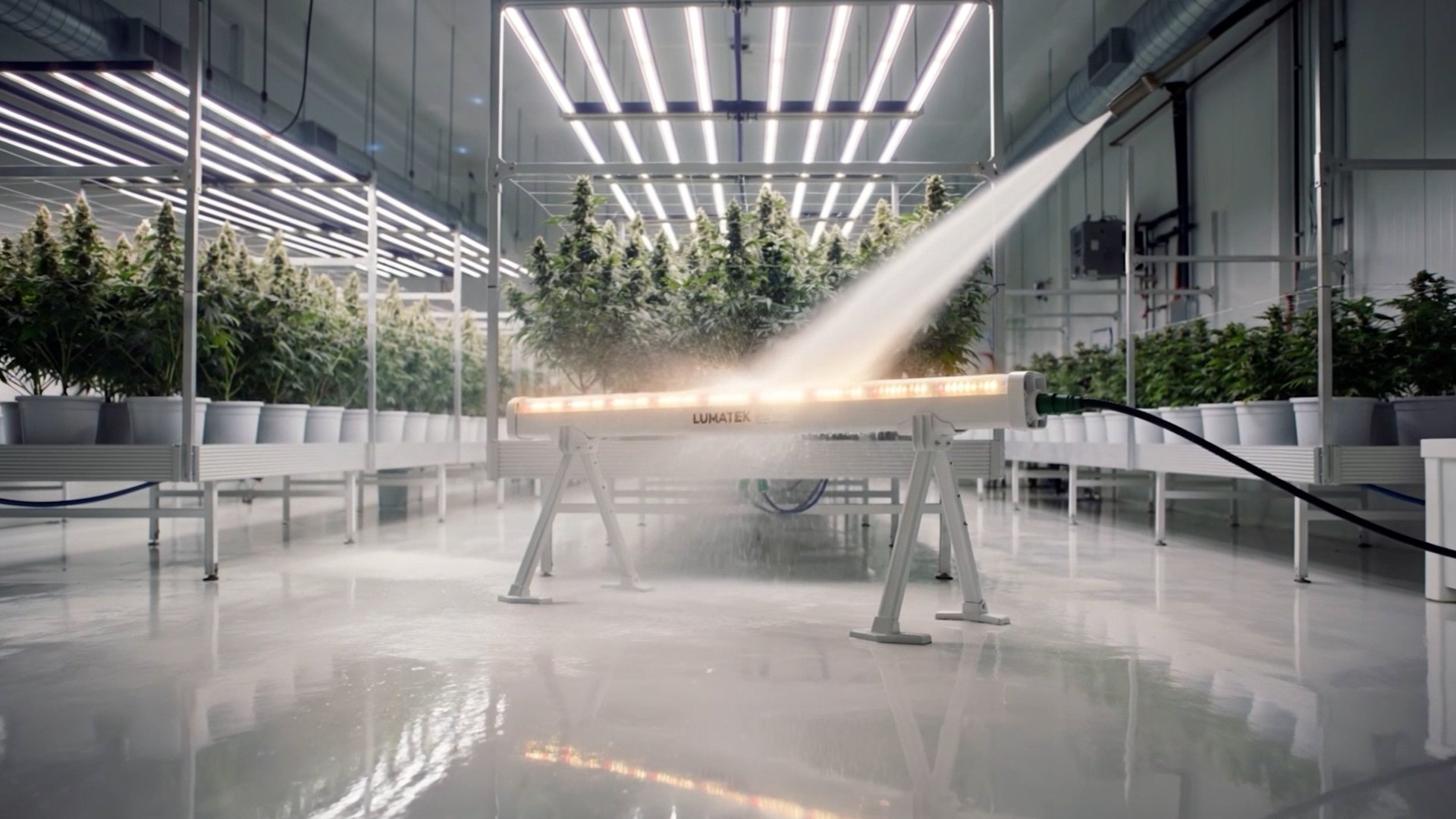
Lumatek is a European manufacturer with more than two decades of engineering documentation behind its professional range. The fixtures are CE certified, with published photometric and spectral data, and are supported by technical files intended to sit inside a facility's own qualification process.
We have assembled a qualification dossier for the professional range. Every value in it is declared by us as the manufacturer, reviewed and signed by our Chief Technology Officer, and issued with a version number and date. The underlying LM-80 reports, calibration certificates and production records are held on file and are available to a supplier audit on request.
That is a manufacturer declaration, and we would rather say so plainly than let it be read as something else. What makes it useful is not who wrote it but that it is specific, versioned, and open to being checked.
For an established facility, changing lighting is also a requalification event, and we support upgrades with the documentation that keeps an existing audit trail intact.
The science of light is not a slogan for us, it is the documentation. We do not shout, we demonstrate.
Preparing for a
GACP audit?
Request the Lumatek qualification dossier. We send a personal link, not an attachment, and every request is read by a person.
Six documents, plus the signed EU Declaration of Conformity. Everything is readable on the dossier page itself, and each section carries a versioned, dated PDF for your audit file.
Every value is declared by Lumatek as the manufacturer, signed by our CTO, and the underlying test reports and calibration certificates are available to a supplier audit on request.
Notes & references
European Medicines Agency, Committee on Herbal Medicinal Products: Guideline on Good Agricultural and Collection Practice (GACP) for starting materials of herbal origin, revised 2025, annex on indoor cultivation. Effective August 2025.
Technical performance data referenced in the qualification dossier is declared by the manufacturer and issued under version control. Nothing in this paper constitutes regulatory or legal advice. Facilities should confirm requirements with their own quality lead and competent authority.
Published by Lumatek Professional Technical lead: Romeu Santos, CTO / Operations
Lumatek Limited, trading as Lumatek Professional. Ewropa Business Centre, Level 3-701, Dun Karm Street, Birkirkara BKR 9034, Malta. Company registration number C 90646. VAT number MT26100220.